
If you’ve asked around about visiting Wayanad in monsoon in July or August, you’ve probably heard the same line more than once: “Skip the monsoon, go in winter instead.” It’s the standard advice, and honestly, most travel blogs just copy-paste it from each other without spending a single rainy afternoon here.
We’re going to disagree — respectfully, but firmly.
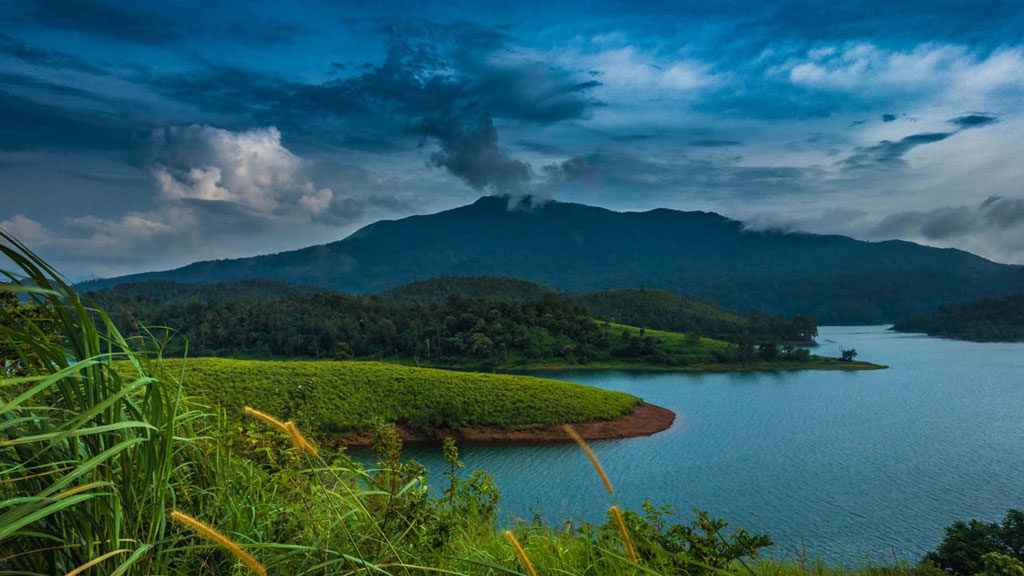
Monsoon is when Wayanad stops performing for tourists and just… is itself. The waterfalls aren’t a trickle anymore; they’re a roar. The tea and coffee plantations turn a green so deep it looks edited. The mist doesn’t sit politely on the hilltops; it rolls right through the valley. And the crowds that pack the viewpoints in December? Gone. It’s just you, the hills, and the sound of rain on a tin roof somewhere in the distance.
Here’s the honest case for visiting Wayanad in July and August.

What the Weather Is Actually Like
Wayanad sits in the Western Ghats, and the southwest monsoon usually settles in from June and runs through September, with July and August being the wettest, most dramatic stretch of it. Daytime temperatures typically hover between 18°C and 25°C — cool enough that you’ll want a light jacket in the evenings, warm enough that you won’t be miserable.
The rain isn’t a 24-hour downpour, either. It tends to arrive in spells — a couple of hours of heavy rain, then long stretches of overcast skies, drizzle, or even clear sun breaking through the clouds. That rhythm is exactly what makes the landscape look the way it does in every “why didn’t anyone tell me Wayanad looks like this” Instagram post.
The Waterfalls Are the Whole Point
This is the number one reason to come during monsoon: Wayanad’s waterfalls are basically dormant for the rest of the year and absolutely thundering from July through September.
Soochipara (Sentinel Rock) Falls goes from a gentle three-tiered cascade to a genuine spectacle. Meenmutty Falls, one of the tallest in the region, is dramatically fuller. Depending on rainfall and safety conditions on a given day, several of these spots do get access restrictions during peak downpours, so it’s worth checking locally before you head out — but on the days they’re open, this is Wayanad at its most photogenic, full stop.
Waterfalls like Soochipara are at their fullest during monsoon — see our full monsoon guide.
Green Like You Won’t See in Any Other Season
Winter Wayanad is pretty. Monsoon Wayanad is alive. The paddy fields turn a shocking emerald, the tea estates look almost artificial, they’re so vivid, and the forest canopy thickens into something closer to a rainforest than a hill station. If you’re someone who travels for photography, this is the season serious photographers quietly prefer — better light, fewer people in your frame, and a color palette you just don’t get in December.
Fewer Crowds, More Room to Breathe
Wayanad’s peak season (October through May) means packed viewpoints, full parking lots, and waitlists at popular cafés. Monsoon flips that completely. You’ll get quieter trails, easier access to attractions, and a noticeably slower pace — which, if you’re coming for a genuine break rather than a checklist, is half the appeal.
It’s also the season where hospitality tends to feel more personal, simply because resorts and staff aren’t stretched across a fully booked property.
What to Actually Do During Wayanad in Monsoon
Monsoon travel isn’t about waking up at 5 a.m. for a trek — it’s about mixing shorter outdoor windows with slower, indoor experiences.
- Short waterfall visits and nature walks on the days the weather cooperates
- Boating at Pookode Lake, which is beautiful year-round and especially calm in the rains
- Spice and tea plantation walks, since the rain is what makes the estates smell incredible
- A proper spa afternoon — monsoon is honestly the best excuse of the year to do nothing but this
- Indoor games, bonfires (weather permitting), and long meals that don’t need to be rushed because there’s no queue anywhere
If you’re planning a trip around this season, it’s worth building in a buffer day, since outdoor plans may shift depending on rainfall.
What to Pack
A few practical things people forget: a light waterproof or windcheater jacket, quick-dry clothing, decent grip footwear (trails get slippery), a dry bag or ziplock for phones and cameras, and mosquito repellent — the greenery is gorgeous, but it comes with the usual monsoon insect activity.
Getting to Wayanad in Monsoon
The roads into Wayanad, especially the ghat sections, are well-used but can see slower traffic during heavy spells, so it’s sensible to travel during daylight hours and avoid pushing through the ghats after dark in a downpour. Beyond that, the usual routes from Bangalore, Kochi, and Kozhikode remain very drivable in monsoon — just budget a little extra time.
Where to Stay
Monsoon is exactly when your choice of stay matters most, since you’ll likely be spending more daylight hours on the property between outdoor windows. A resort with a good mix of covered common areas, an indoor-friendly layout, and a proper spa makes a real difference here.
At Morickap Resort, this is genuinely one of our favorite seasons — misty mornings from the villas, the pool framed by rain-soaked greenery, and easy access to the region’s best-known waterfalls and viewpoints when the weather allows it. If you’d rather stay in from time to time, our in-house spa and multi-cuisine dining mean the “indoor days” don’t feel like downtime at all.
FAQs: Wayanad in Monsoon
Is it safe to visit Wayanad during monsoon?
Yes, with reasonable planning. Stick to daylight travel, check local advisories on trekking trails and waterfall access during heavy rain days, and build flexibility into your itinerary.
Which month is better — July or August?
Both are peak monsoon. July tends to bring the heaviest, most consistent rain and the fullest waterfalls; August often has slightly longer dry spells between showers, which some travelers find easier for sightseeing.
Are Wayanad’s waterfalls open during monsoon?
Most are open, but access to some can be temporarily restricted during very heavy rainfall for safety reasons. It’s best to check on the day.
Is monsoon a good time for a honeymoon or couple’s trip in Wayanad?
It’s arguably one of the most romantic times to visit — misty hills, quiet resorts, and no peak-season crowds.
Do resort prices drop during monsoon?
Since Wayanad in monsoon is considered off-peak, many resorts offer better rates and more availability compared to the October–May high season.
Planning your monsoon trip to Wayanad? Explore Morickap Resort’s rooms and pool villas, check out our curated Wayanad packages, or get in touch to plan your stay around the season.