
We’ve argued before that monsoon is an underrated time to visit Wayanad, and we stand by it. But there’s a reason October to February is when the hills fill up, and it isn’t just habit.
This is the season when everything in Wayanad is actually open. The treks that close in heavy rain are running. The safari jeeps are going out. The roads are dry, the leeches are gone, and the mornings start under a layer of mist that burns off into some of the clearest skies you’ll see here all year. If you only visit Wayanad once, this is the window most people should pick.
Here’s what it’s genuinely like, and what to plan around.
The Weather, Honestly
Daytime temperatures sit roughly between 18°C and 25°C, with nights and early mornings dropping considerably lower, sometimes to around 10°C in December and January at higher elevations. In practical terms: comfortable all day in what you’d normally wear, but you will want a jacket or a light sweater after sunset and before about 8am.
The rain largely stops by late October, though the odd shower lingers into early November as the northeast monsoon tails off. From December onward it’s consistently dry.
What people don’t expect is the mist. Mornings through December and January often start with the whole valley under cloud, and it clears through the morning. If you’re the sort of person who sets an alarm for a view, this is the season to do it.
Everything Is Open, and That Matters More Than You’d Think
This is the practical case for winter, and it’s the one most travel guides skip over.
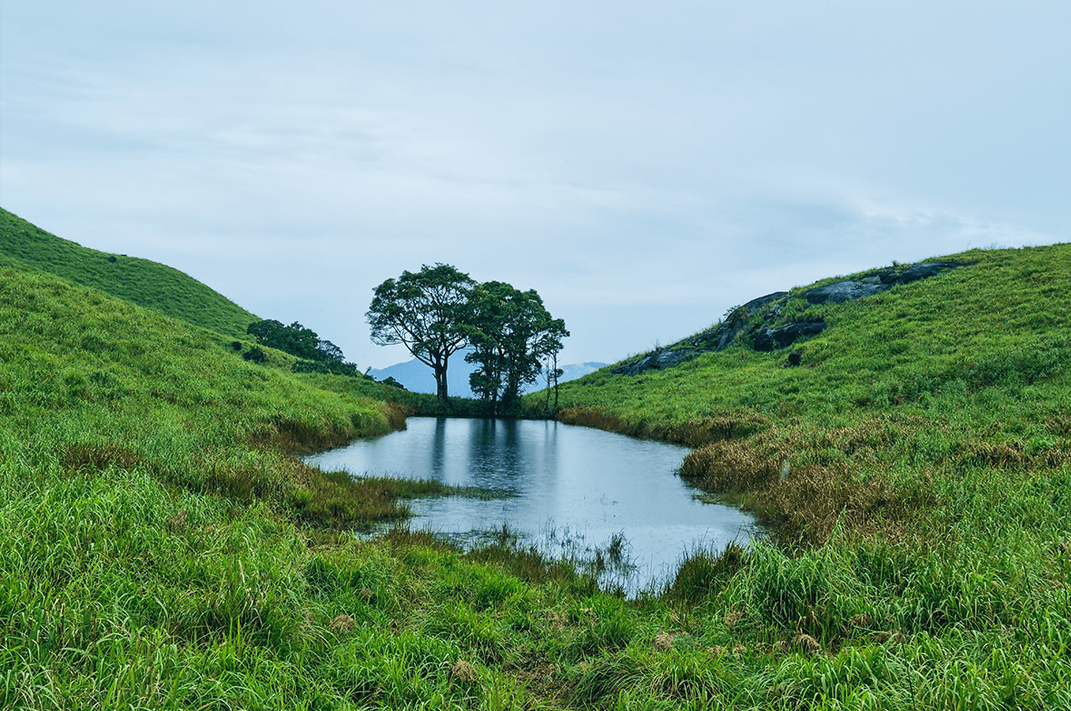
Chembra Peak, the highest point in Wayanad, is at its best in these months. The trail to the heart-shaped lake runs through tea estates, then shola forest, then open grassland, and the footing is dry rather than slick. A permit and a Forest Department guide are mandatory, issued at the Meppadi Forest Office. Daily trekker numbers are capped and the section beyond the heart-shaped lake has been restricted for some time, so plan to start early and treat the lake as the destination. Fees and entry timings get revised periodically, so it’s worth confirming the current position on the day or through your resort before you set out.
Wildlife safaris at Muthanga and Tholpetty also work better now. The undergrowth has thinned since the rains and animals move toward the remaining water sources, which improves your odds considerably over the monsoon months.
Edakkal Caves involves a steep climb up Ambukuthi Hill, and doing it in dry weather rather than on wet rock is a meaningfully different experience.
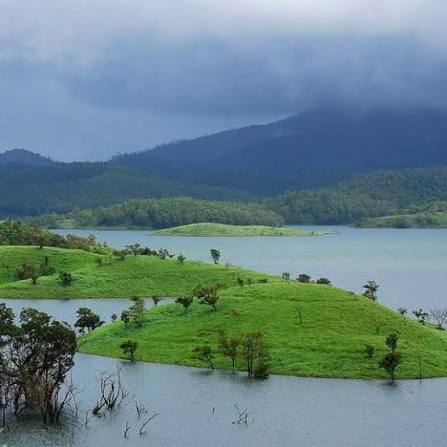
Boating at Banasura Sagar Dam is calmest in these months. The reservoir is still full from the monsoon through October and November, the islands are visible, and the water is settled enough for a proper look around rather than a bumpy loop.
What About the Waterfalls?
Honest answer: you’ve slightly missed the peak, but not entirely.
Soochipara and Meenmutty are at their most dramatic in monsoon. Through October and November they’re still running strongly. By January the flow is noticeably reduced, and by late February into March several of them thin out considerably until the next monsoon.
So if waterfalls are the main reason you’re coming, aim for October or November. If they’re one stop among many, any point in the season is fine.
The Festival Months
December brings the Wayanad Tourist Festival, usually a mix of cultural performances, craft stalls and food. Karthika Deepam falls somewhere between mid-November and mid-December depending on the year, and the lamp-lighting in homes and temples is worth seeing if your dates line up.
Christmas and New Year are the busiest stretch of the entire year in Wayanad. Rooms across the district go early and rates sit at their highest. If you’re planning that specific window, book well ahead rather than hoping something opens up.
The Trade-Offs, Since Nobody Else Mentions Them
Peak season has costs:
- Crowds at the popular spots. Soochipara and Edakkal on a December weekend are busy. Weekdays are noticeably quieter if you have the flexibility.
- Higher rates across the board, and limited availability during Christmas, New Year and long weekends.
- Chembra’s daily cap means arriving late can mean not getting in at all.
- It is genuinely cold at night in December and January. People from the plains routinely underpack for this.
None of these are reasons not to come. They’re reasons to book early and start your days early.
What to Pack
Layers, essentially. Normal daytime clothing plus a jacket or sweater for mornings and evenings. Proper walking shoes if you’re trekking, since Chembra and Edakkal both involve real climbing. A torch is useful, as it gets dark by around 6:30pm and paths around hill properties aren’t always lit.
A Reasonable Three-Day Plan
Day 1: Arrive, settle in, and take the afternoon slowly. Banasura Sagar Dam works well as a half-day if you reach early enough.
Day 2: Chembra Peak in the morning, starting at first light. Afternoon free, which in winter usually means doing very little, deliberately.
Day 3: Edakkal Caves or a wildlife safari, depending on whether you’d rather climb or sit still and watch.
Our attractions guide has distances from the resort if you’re building your own route, and the wider Wayanad travel guide covers the rest of the district.
Where to Stay
Being close to things matters more in peak season than it does off-season, because the roads carry more traffic and the early starts are what get you ahead of the crowds. Morickap sits on Banasura Sagar Dam Road, which puts the dam within a short drive and Chembra and the main waterfall circuit within comfortable reach for a morning start.
The season also suits the slower half of a trip. Cool afternoons are made for the pool and resort activities, and an Ayurveda spa session after a Chembra morning is the correct decision. Our rooms and pool villas book up well in advance for December and January, so earlier is better if those are your dates.
FAQs
Which month is best for visiting Wayanad in winter?
October and November still have strong waterfall flow and full reservoirs. December and January are the coolest and clearest but also the busiest. February is quieter with pleasant weather, though waterfalls begin thinning.
How cold does Wayanad get in December?
Daytime temperatures sit around 18-25°C, with nights dropping to roughly 10-15°C depending on elevation. Light woollens are enough; you won’t need serious winter clothing.
Is Chembra Peak open in winter?
Yes, and conditions are at their best in these months. A permit and Forest Department guide are required from the Meppadi Forest Office, daily numbers are capped, and the stretch beyond the heart-shaped lake has been restricted. Start early and confirm current timings and fees before you go.
Do I need to book accommodation in advance for Wayanad in winter?
Yes, particularly for Christmas, New Year, and long weekends. This is the busiest period of the year across the district and rooms go early.
Is winter or monsoon better for visiting Wayanad?
Winter if you want everything open, dry trails and comfortable weather. Monsoon if you want full waterfalls, deep green landscapes and far fewer people. They’re genuinely different trips rather than better and worse ones — our monsoon guide makes the case for the other half of the year.
Planning a winter trip? Browse our rooms and pool villas or get in touch to check availability for your dates.